
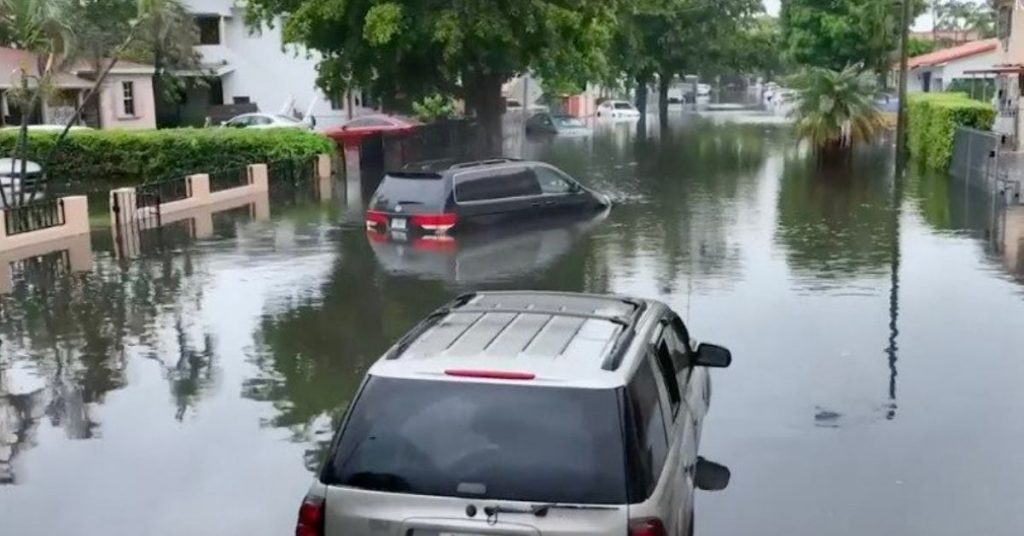
Climate exposure is becoming an increasingly important part of the homebuying equation, but many buyers remain focused on more immediate concerns such as price, location and lifestyle.
According to the 2026 Realtor.com Housing and Climate Risk Report, approximately 23.1% of U.S. homes face severe or extreme risk from wind, flooding or wildfire. Together, those properties represent an estimated $11.2 trillion in residential real estate value.
Despite the scale of that exposure, demand for homes in vulnerable locations remains surprisingly durable. Buyers may temporarily reconsider high-risk properties after a major disaster, but affordability pressures and lifestyle preferences often draw them back.
Climate Costs Extend Beyond Property Damage
The financial consequences of climate risk can begin long before a hurricane, flood or wildfire occurs. Communities exposed to recurring disasters may face higher maintenance, insurance and repair expenses, some of which can be reflected in homeowners association fees.
Among homes with HOA dues, the report found that properties facing severe or extreme climate hazards had a median monthly fee of $192. That was $67—or approximately 54%—more than the median for properties outside the highest risk categories.
The difference was especially pronounced among condominiums and townhomes. Median HOA fees for attached properties with elevated climate exposure reached $548 per month, compared with $350 in lower-risk locations.
Florida presents a distinctive challenge because severe climate exposure applies to such a large share of the state’s housing inventory that meaningful comparisons with low-risk properties are difficult. Nevertheless, previous Realtor.com research has placed several Florida markets among those where HOA fees consume the largest portion of a homeowner’s mortgage payment.
Flood Insurance Coverage Is Declining
Flooding represents another growing financial concern. More than 6% of U.S. homes, with a combined estimated value approaching $3.4 trillion, are considered to have severe or extreme flood risk.
Yet enrollment in the National Flood Insurance Program is moving in the opposite direction. The number of active NFIP policies declined from approximately 3.62 million in May 2025 to 3.45 million in May 2026, a decrease of 4.5%.
Rising premiums appear to be contributing to that decline. As federal flood insurance pricing becomes more closely tied to the risk associated with individual properties, some households may decide they can no longer afford coverage.
The potential gap is particularly concerning because official flood maps do not identify every vulnerable property. An estimated 2 million homes valued at nearly $1 trillion may have significant flood exposure without appearing in federally designated high-risk zones. Buyers purchasing those homes may not be required by their lenders to obtain flood insurance.
Insurance Pressure Can Affect Mortgage Payments
Climate-related expenses can also contribute to mortgage trouble. Louisiana and Mississippi, which have experienced repeated hurricanes and flooding, continue to record serious mortgage delinquency rates above the national average.
Florida and Texas have also seen deterioration. Both states had serious delinquency rates near 0.5% in early 2023. By September 2025, those rates had reached approximately 1% or more.
Major storms can leave homeowners facing repair costs, displacement and lost income. At the same time, rapidly rising insurance premiums can strain household budgets even during years without a direct disaster. For owners already devoting a substantial portion of their income to housing, another large increase in annual expenses may be enough to create payment difficulties.
Buyers Continue Pursuing High-Risk Properties
Although climate exposure carries measurable costs, it is not always the deciding factor for buyers.
In expensive California markets, homes with higher climate risk frequently offer lower prices per square foot. Realtor.com found that these properties attracted more online views than less-vulnerable homes in several counties, suggesting that affordability can outweigh long-term environmental concerns.
Even the January 2025 Los Angeles wildfires produced only a brief shift in shopping behavior. Interest in high-risk homes fell immediately after the fires but recovered within about a month.
In other markets, buyers willingly pay more for properties offering waterfront access, mountain scenery or outdoor recreation. That pattern can be seen in parts of Maryland, Texas and Montana, where high-risk homes sometimes command premiums while continuing to attract strong interest.
Buyers Need the Complete Financial Picture
Climate exposure does not automatically make a property a poor investment or an unsuitable home. It does, however, create potential costs that should be considered alongside the purchase price and mortgage payment.
Before making an offer, buyers may benefit from reviewing property-specific risk data, obtaining insurance estimates and investigating the financial condition of any homeowners association. They should also determine whether previous disasters have resulted in major repairs, insurance claims or special assessments.
Earlier and more transparent disclosure would allow buyers to evaluate those expenses before becoming financially committed. In a market where affordability is already challenging, understanding the long-term cost of climate risk is becoming an essential part of making an informed real estate decision.
Source: Realtor.com
