
Florida Governor Ron DeSantis is advancing a proposal to gradually eliminate property taxes on primary residences, while continuing to tax second homes, vacation properties, Airbnbs, and out-of-state investors.
Speaking during a property tax roundtable in Brevard County, DeSantis argued that long-time Florida residents should receive relief before seasonal residents or wealthy buyers from outside the state.
The proposal would build on Florida’s existing homestead exemption system, which already lowers taxes for permanent residents. A bill previously passed by the Florida House would have expanded those exemptions over the next decade, eventually removing non-school property taxes on homesteads by 2037. However, the measure stalled in the Senate and has not yet been scheduled for a special legislative session.
DeSantis has also suggested imposing a waiting period before new residents qualify for homestead tax benefits, saying he does not want people relocating solely to take advantage of lower taxes. Under his vision, permanent Florida residents could see major tax reductions, while snowbirds, vacation homeowners, and investment property owners would continue paying full property taxes.
Supporters argue the plan would provide meaningful relief to Florida homeowners as housing costs continue rising. Property taxes across the state have nearly doubled since 2019 due to higher home values, and polls show many Floridians support some form of tax reduction.
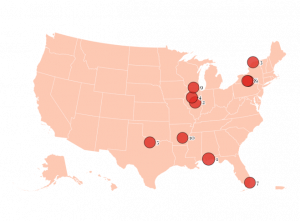
(*T&I = Taxes and Insurance. P&I = Principal and Interest. PITI = Principal, Interest, Taxes and Insurance) (Source: Neighbors Bank)
Critics, however, warn that eliminating property taxes could force lawmakers to raise other taxes, including the state sales tax, to maintain funding for schools, law enforcement, and local services. Analysts estimate Florida could need one of the highest sales tax rates in the country to replace lost revenue.
The proposal has also raised concerns among snowbirds and international property owners, particularly Canadians, who already pay higher taxes because they do not qualify for homestead exemptions. Rising insurance premiums, HOA fees, and increasing tax burdens have already prompted some seasonal residents to leave Florida or sell their homes.
(*T&I = Taxes and Insurance. P&I = Principal and Interest. PITI = Principal, Interest, Taxes and Insurance) (Source: Neighbors Bank)
Economists caution that driving away snowbirds and second-home owners could weaken parts of Florida’s economy that depend heavily on seasonal residents, tourism spending, and real estate investment. Canadian property owners alone contribute hundreds of millions of dollars annually in Florida property taxes. At the same time, some housing experts argue the proposal could further increase home prices by making ownership more attractive for existing residents while reducing affordability for first-time buyers.
The future of the proposal remains uncertain. Any constitutional amendment to eliminate or significantly reduce property taxes would require approval from both chambers of the Florida Legislature and support from at least 60 percent of Florida voters in a statewide referendum.
Source: Newsweek
